


Nationwide Blackout as National Power Grid Collapses Yet Again
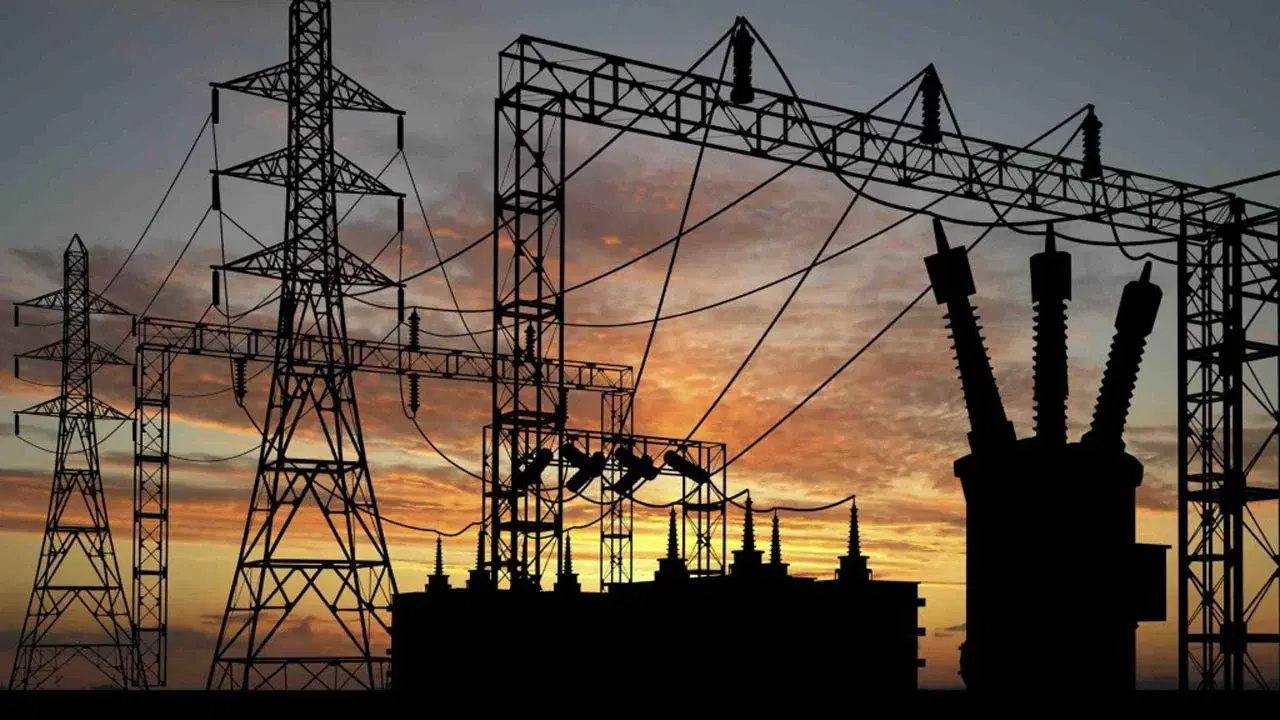
Millions of Nigerians were plunged into darkness on Monday afternoon following another collapse of the national electricity grid, triggering widespread power outages across the country and once again drawing attention to the deep-rooted challenges confronting Nigeria’s power sector.
Distribution load figures released at about 3:12 p.m. on December 29, 2025, showed a sudden and drastic drop in electricity supplied to power distribution companies nationwide, confirming a major system failure on the national grid. The collapse led to a near-zero power supply in most states, disrupting commercial activities, social life and essential public services.


Data obtained from the Distribution Companies (DisCos) revealed that only two operators were receiving electricity at the time of the incident. Ibadan Electricity Distribution Company recorded a load of approximately 30 megawatts (MW), while Abuja Electricity Distribution Company received about 20 MW.
All other DisCos were allocated zero megawatts, underscoring the severity and nationwide nature of the outage. Benin, Eko, Enugu, Ikeja, Jos, Kaduna, Kano, Port Harcourt and Yola electricity distribution companies all recorded 0 MW, indicating that major cities, industrial hubs and rural communities were affected simultaneously.

READ ALSO:Olubadan Urges Tinubu to Approve Ibadan State Before 2027
In total, electricity distributed nationwide stood at just 50 MW, far below normal operating levels and grossly insufficient to meet the power needs of households, businesses and critical infrastructure. Hospitals, water treatment plants, schools, telecom facilities and manufacturing companies were forced to rely on generators and other alternative power sources to sustain operations.
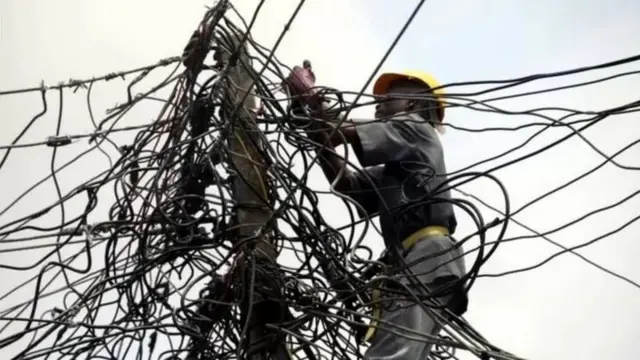
The latest incident adds to a troubling pattern of grid collapses recorded in recent years, many of which have resulted in nationwide blackouts and prolonged restoration efforts. Despite repeated assurances from authorities, the frequency of system failures has continued to raise serious concerns about the stability and resilience of Nigeria’s power transmission network.
Power sector experts have linked the recurring collapses to a combination of ageing and overstretched transmission infrastructure, inadequate maintenance, limited investment, operational inefficiencies and persistent gas supply challenges affecting power generation. The lack of sufficient redundancy within the grid has also been identified as a major factor, as faults in one part of the system often cascade into nationwide failures.
READ ALSO:Anthony Joshua Stable After Lagos-Ibadan Expressway Crash Claims Two Lives.
The impact of these repeated outages on the economy remains significant. Businesses, particularly small and medium-scale enterprises, face rising operating costs and reduced productivity as they increasingly depend on self-generated power. For households, the frequent blackouts translate into higher living expenses, discomfort and disruption of daily routines.
Meanwhile, the Nigerian National Grid (NNG) said restoration efforts had commenced shortly after the collapse, with technical teams reportedly deployed to stabilise the system and gradually restore power to affected areas.
However, as of the time of filing this report, neither the Transmission Company of Nigeria (TCN) nor the Federal Ministry of Power had issued an official statement detailing the cause of the latest grid collapse or providing a clear timeline for the full restoration of electricity supply nationwide.
The absence of prompt and detailed communication from relevant authorities has further fueled public frustration, as Nigerians continue to grapple with unreliable power supply amid rising energy costs, economic pressures and growing calls for comprehensive reforms to address the long-standing weaknesses in the country’s electricity sector.