


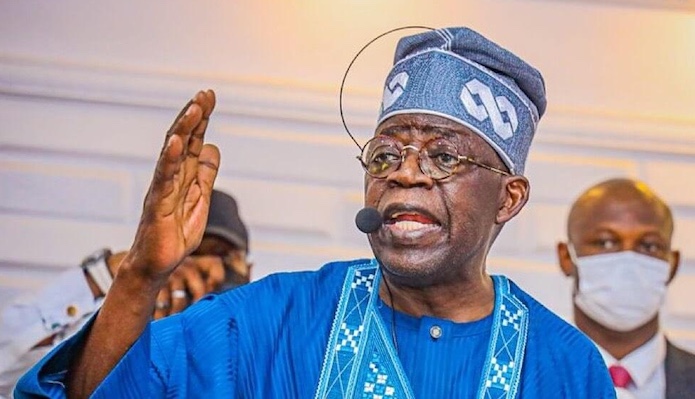
New Tax Laws To Take Effect January 1 As Scheduled, Tinubu Reaffirms
By Oladejo Eriyimika
President Bola Ahmed Tinubu has firmly reiterated that Nigeria’s newly enacted tax laws will take effect fully on January 1, 2026, dismissing renewed calls for suspension or postponement amid intense public debate and scrutiny of the reforms.
The President’s position was conveyed in a statement issued on Tuesday by the State House, where the Federal Government maintained that the tax reform agenda remains a central pillar of efforts to restructure Nigeria’s economy, broaden the revenue base and strengthen public finance management.

According to the statement, the tax Acts already operational since June 26, 2025, alongside those scheduled to commence in January 2026, will be implemented without interruption.
“The new tax laws, including those that took effect in June 2025 and the remaining Acts slated for January 1, 2026, will continue as planned,” President Tinubu declared.
President Bola Ahmed Tinubu has firmly reiterated that Nigeria’s newly enacted tax laws will take effect fully on January 1, 2026, dismissing renewed calls

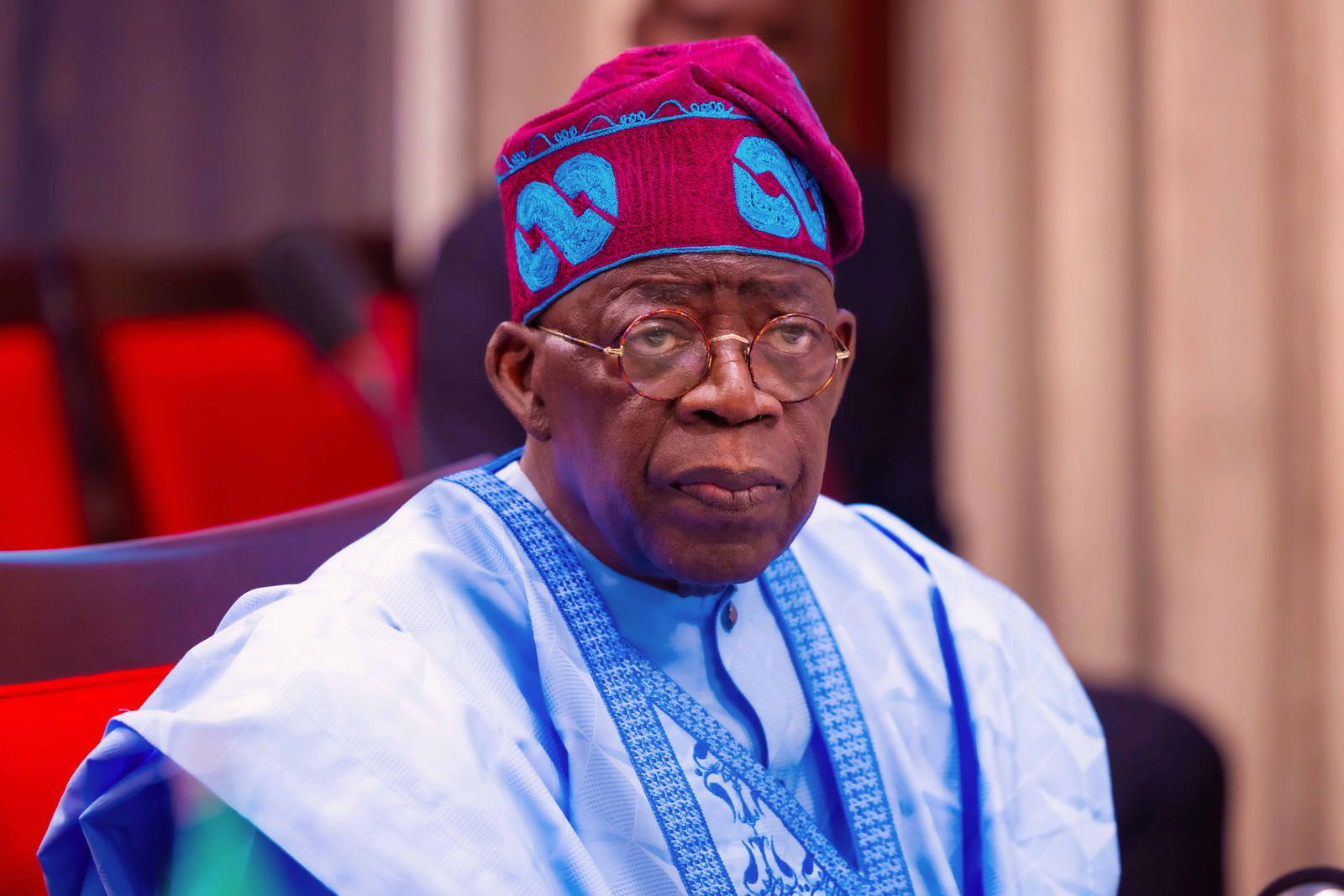
Reforms Not Designed To Raise Tax Burden
President Tinubu emphasised that the reforms are not intended to impose additional taxes on Nigerians, but rather to address long-standing inefficiencies, overlaps and inequities within the country’s tax system.
He explained that Nigeria’s existing tax framework has, over the years, become fragmented, burdensome to compliance, and inadequate for funding critical national priorities. The new laws, he said, seek to create a more coherent, predictable and growth-friendly tax environment.
“These reforms are designed to deliver a structural reset of the tax system, promote harmonisation across agencies, improve competitiveness, and protect the dignity of taxpayers,” the President noted.
He added that by simplifying tax administration and clarifying obligations, the reforms are expected to encourage voluntary compliance, expand the tax net and reduce over-reliance on borrowing.
Public Debate And Alleged Alterations Addressed
Acknowledging the growing public discourse surrounding the tax laws—particularly claims that certain provisions may have been altered or could negatively affect specific sectors—Tinubu said no substantive flaw has been identified that would justify halting the reform process.
“No substantial issue has been established that warrants a disruption of the reform process,” he said, stressing that responsible governance requires consistency and thoughtful decision-making, not abrupt reversals driven by speculation or misinformation.
The President urged stakeholders, including professional bodies, labour unions, business groups and civil society organisations, to engage constructively with the implementation process rather than advocating delays.
Commitment To Due Process And Legislative Oversight
President Tinubu reaffirmed his administration’s respect for due process and legislative authority, assuring Nigerians that the integrity of the enacted laws remains intact.
He pledged continued collaboration with the National Assembly, noting that mechanisms are already in place to address any genuine challenges that may emerge as implementation begins.
“The Presidency will work closely with the National Assembly to ensure that any issue identified during implementation is resolved swiftly and transparently,” the statement read.
Economic Stability And Social Contract
The Federal Government stressed that the successful rollout of the tax reforms is critical to achieving long-term economic stability, improving service delivery and strengthening the social contract between the state and citizens.
According to the Presidency, a more efficient tax system will enable government at all levels to invest more sustainably in infrastructure, healthcare, education and social protection, while ensuring fairness in revenue collection.
President Tinubu assured Nigerians that all decisions taken under the reform agenda are guided by the overriding public interest, with the objective of building a tax system that supports shared responsibility, inclusive growth and national prosperity.
As debates continue ahead of the January 2026 commencement date, the administration urged Nigerians to remain engaged, informed and patient, assuring that the reforms are aimed at laying a stronger fiscal foundation for the country’s future.